Source Finger Grip Cylinder for Print, Robot, and Automation
Find and compare 30 finger grip cylinder options from Chinese manufacturers. These pneumatic components support print, semiconductor, and robot applications with bore sizes from 10-25mm and double-acting or single-acting configurations; compare the available evidence and request quotations based on your requirements.
Key considerations
Products List


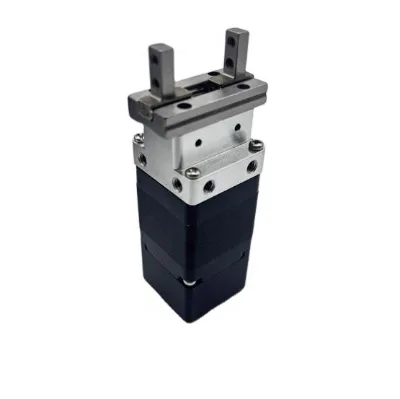
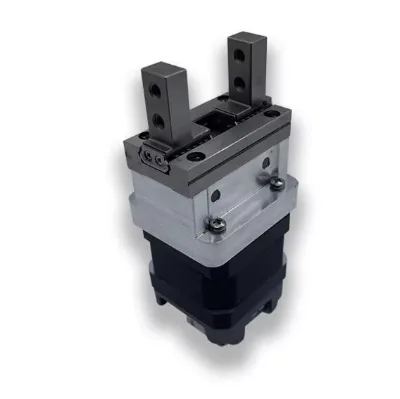


Comprehensive Sourcing Guide
Finger Grip Cylinder Sourcing Guide
Buyers evaluating finger grip cylinders must first distinguish between single-acting and double-acting configurations, as the supplied data indicates both types are available in the market. The observed product range includes models like the MHZ2 and MHC2, which are explicitly designed for automation and control systems, while other listings highlight specific applications in printing and robotics. Understanding whether a pneumatic system requires a return spring or external force is critical before selecting a supplier, as this decision dictates the mechanical complexity and cost of the final assembly.
Procurement teams should also verify the specific bore size and pressure direction requirements against the observed listings, which range from 10mm to 25mm bores and support working pressures between 0.1 and 0.6MPa. The data confirms that these cylinders operate within an ambient fluid temperature range of -10 to 60 degrees Celsius, though some entries suggest a slightly different range of -5 to 70 degrees Celsius. Buyers must clarify the exact operating environment with the supplier to ensure the selected unit can withstand the thermal conditions of their specific facility without premature failure.
Product Scope and Observed Listing Signals
The market for finger grip cylinders presents a diverse array of models, including the XHC, XHZ2 32D, and IR97030 series, each catering to distinct industrial needs. While some products are marketed specifically as robot grippers, others are categorized broadly as general or series cylinders suitable for various automation tasks. The observed listings indicate that customization is widely available, allowing buyers to tailor the cylinder structure and dimensions to fit unique mechanical constraints rather than relying solely on standard off-the-shelf solutions.
Packaging and origin details provide additional context for logistics planning, with products typically shipped in cartons, boxes, or on pallets from manufacturing hubs in Wenzhou, Fenghua, and other parts of China. The minimum order quantities observed vary significantly, ranging from a single item to 1000 units, which suggests flexibility for both prototyping and large-scale production runs. Buyers should note that while some listings mention specific standards like "The appearance of the piano," these are likely descriptive rather than technical specifications, requiring further clarification to ensure the product meets functional requirements.
Technical Specifications to Verify
When assessing technical compatibility, the distinction between common cylinders and adjustable cushioning cylinders is paramount for applications involving high-speed robotic movements. The supplied facts confirm that double-acting cylinder types are prevalent, yet single-acting variants are also listed, necessitating a clear definition of the required action type for the specific application. Buyers must verify if the cylinder features an adjustable cushioning mechanism to mitigate impact forces, as this is a critical factor in extending the lifespan of both the cylinder and the attached robotic end-effector.
Fluid dynamics and material composition are equally vital, with air serving as the primary operating fluid and materials ranging from aluminum to stainless steel. The working pressure limits of 0.1 to 0.6MPa must be strictly adhered to, and the operating temperature range must be confirmed against the specific environmental conditions of the installation site. Additionally, the port configuration, often listed as Ningbo or Shanghai, should be cross-referenced with the buyer's supply chain to ensure efficient shipping and timely delivery of the pneumatic components.
Compliance and Safety Documentation
Safety and regulatory compliance are non-negotiable for industrial automation components, and the observed listings explicitly mention certifications such as CE, RoHS, and ISO. These certifications indicate that the products meet specific European and international safety standards, which is essential for manufacturers exporting to regulated markets. Buyers should request current certification documents to verify that the specific batch of cylinders being purchased adheres to the latest safety protocols, ensuring that the equipment can be legally integrated into their production lines without compliance risks.
Beyond general certifications, buyers must scrutinize the specific standard references provided in the product data, such as the "Standard" designation or the "5510cm" dimension reference, to understand the baseline quality expectations. While some background knowledge suggests standards like ISO 9001, the supplied facts do not confirm this for every listing, so verification is required. Procurement teams should ensure that the supplier can provide test results or quality assurance reports that validate the cylinder's performance under the stated working pressure and temperature conditions.
Cost Drivers and Commercial Terms
The pricing for finger grip cylinders varies widely, with observed ranges spanning from $0.06 to $170.50, reflecting differences in material, complexity, and customization levels. Aluminum models generally offer a cost-effective solution for standard applications, whereas stainless steel variants command higher prices due to their durability and resistance to corrosive environments. Buyers must analyze the total cost of ownership, considering that higher initial costs for specialized models like the IR97032 series may result in lower maintenance expenses and longer service life in demanding industrial settings.
Commercial terms such as sample availability and OEM capabilities significantly influence the procurement strategy, as they allow for rigorous testing before full-scale commitment. The data confirms that samples are available, enabling buyers to validate performance characteristics without a large financial outlay. Furthermore, the ability to customize the product structure and packing allows for tailored solutions that can optimize logistics costs, though buyers should negotiate clear terms regarding lead times and minimum order quantities to avoid supply chain disruptions.
Supplier Qualification and Quality Control
Supplier qualification requires a thorough review of the manufacturing location and production capabilities, with key hubs identified in Wenzhou, Fenghua, and other Chinese regions. Buyers should prioritize suppliers who demonstrate a clear capacity for OEM services and customization, as the market data indicates a high demand for tailored pneumatic solutions. Verifying the supplier's ability to maintain consistent quality across different production batches is essential, especially given the variation in observed specifications and the potential for different standards to apply to different product lines.
Quality control processes must be validated through direct inquiry, as the supplied facts do not detail specific internal testing protocols beyond the listed certifications. Buyers should request information on the supplier's inspection procedures for bore size, pressure direction, and material integrity to ensure that the delivered cylinders meet the specified technical parameters. Establishing a clear communication channel for quality issues and defining acceptance criteria for the delivered goods will help mitigate risks associated with product variability and ensure that the finger grip cylinders perform reliably in the intended application.
Long-Term Procurement Checks
Sustaining a successful procurement relationship involves regular performance reviews and continuous monitoring of the supplier's ability to meet evolving technical requirements. Buyers should establish a schedule for periodic audits to verify that the supplier maintains the claimed certifications and adheres to the specified working pressure and temperature ranges over time. This proactive approach helps identify potential quality drifts early, ensuring that the finger grip cylinders continue to operate safely and efficiently within the automation and control systems they support.
Long-term planning also requires assessing the supplier's capacity to scale production in response to fluctuating demand, as the observed MOQ ranges from single items to 1000 units. Buyers must ensure that the supplier can maintain consistent lead times and packaging standards, such as the transition from cartons to pallets, as order volumes increase. By maintaining a strategic partnership with a qualified supplier, organizations can secure a reliable supply of high-quality finger grip cylinders that support their operational goals and minimize downtime in critical production processes.
FAQs
What materials are used for finger grip cylinders?
Finger grip cylinders are primarily constructed from aluminum or stainless steel to ensure durability and corrosion resistance. Aluminum models offer a lightweight solution for automation tasks, while stainless steel variants provide enhanced strength for demanding industrial environments. These material choices support reliable performance in pneumatic applications across various sectors.
Can these cylinders be customized for specific applications?
Yes, customization is available for finger grip cylinders to meet unique operational requirements. Buyers can request OEM services and tailored specifications to align with their automation or robotic systems. This flexibility allows for precise integration into complex machinery, ensuring optimal functionality and compatibility with existing industrial setups and control systems.
What is the operating temperature range for these cylinders?
The operating temperature range for these cylinders typically spans from -10°C to 60°C. Some models may support a slightly wider range of -5°C to 70°C depending on the specific design. This range ensures reliable performance in standard industrial environments, allowing for consistent pneumatic operation under varying ambient conditions without compromising structural integrity.
Which certifications do these pneumatic cylinders hold?
These pneumatic cylinders commonly hold CE, RoHS, and ISO certifications, ensuring compliance with international safety and quality standards. These credentials verify that the products meet rigorous manufacturing requirements for environmental safety and operational reliability. Buyers can trust these certifications for use in regulated industries, facilitating smoother integration into global supply chains and automated systems.
What is the typical MOQ for ordering these cylinders?
The minimum order quantity for these cylinders ranges from 1 to 1000 units, offering flexibility for various procurement needs. This wide range accommodates both small-scale testing and large-volume industrial deployments. Buyers can select quantities that best fit their project scale, ensuring efficient inventory management and cost-effective sourcing for automation and control applications.
How are these cylinders packaged for shipping?
These cylinders are packaged in cartons, boxes, or on pallets to ensure safe transit. The packaging is designed to protect the pneumatic components from damage during handling and shipping. Standard packing dimensions and methods are used to optimize space and security, ensuring that products arrive in pristine condition ready for immediate installation in automation or robotic systems.